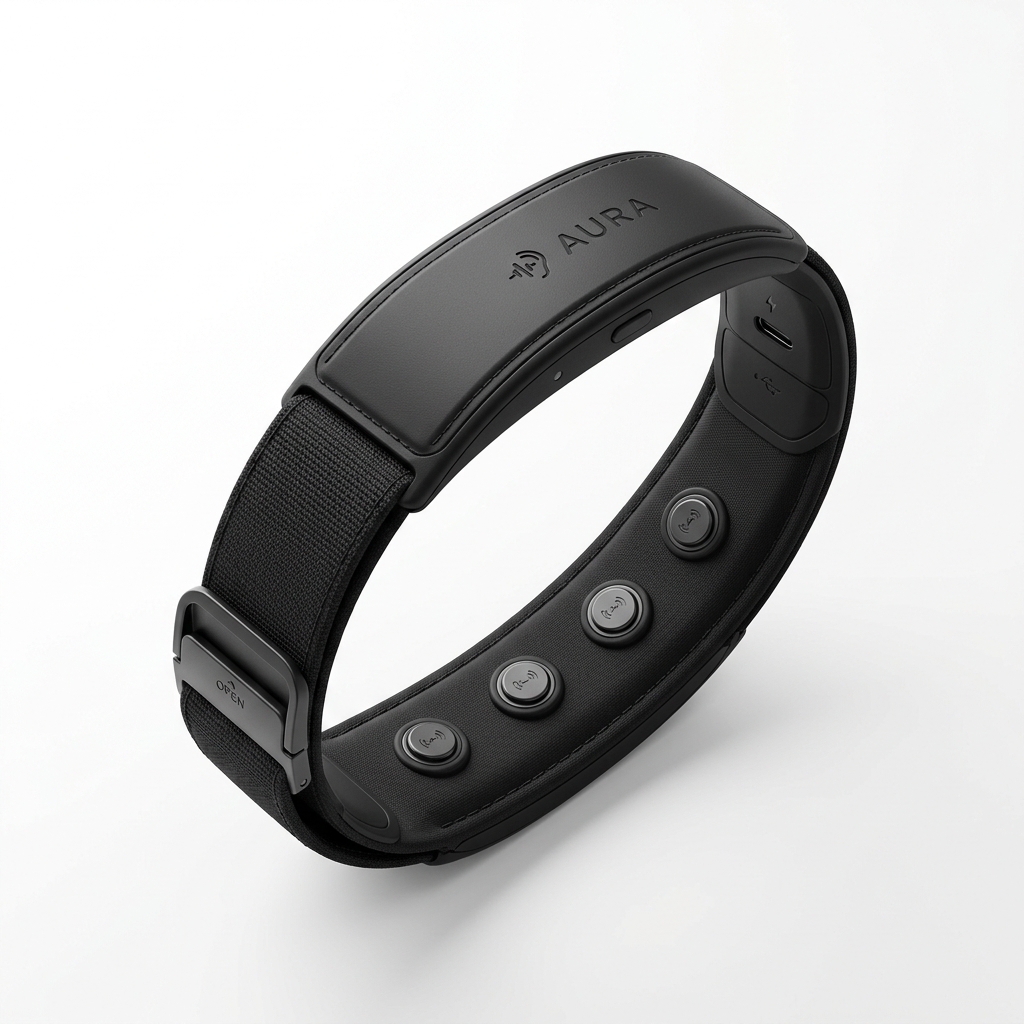
Cochlea Cap detects sound and specifies the direction using haptic feedback, giving users 360-degree situational awareness without the need for expensive surgery.
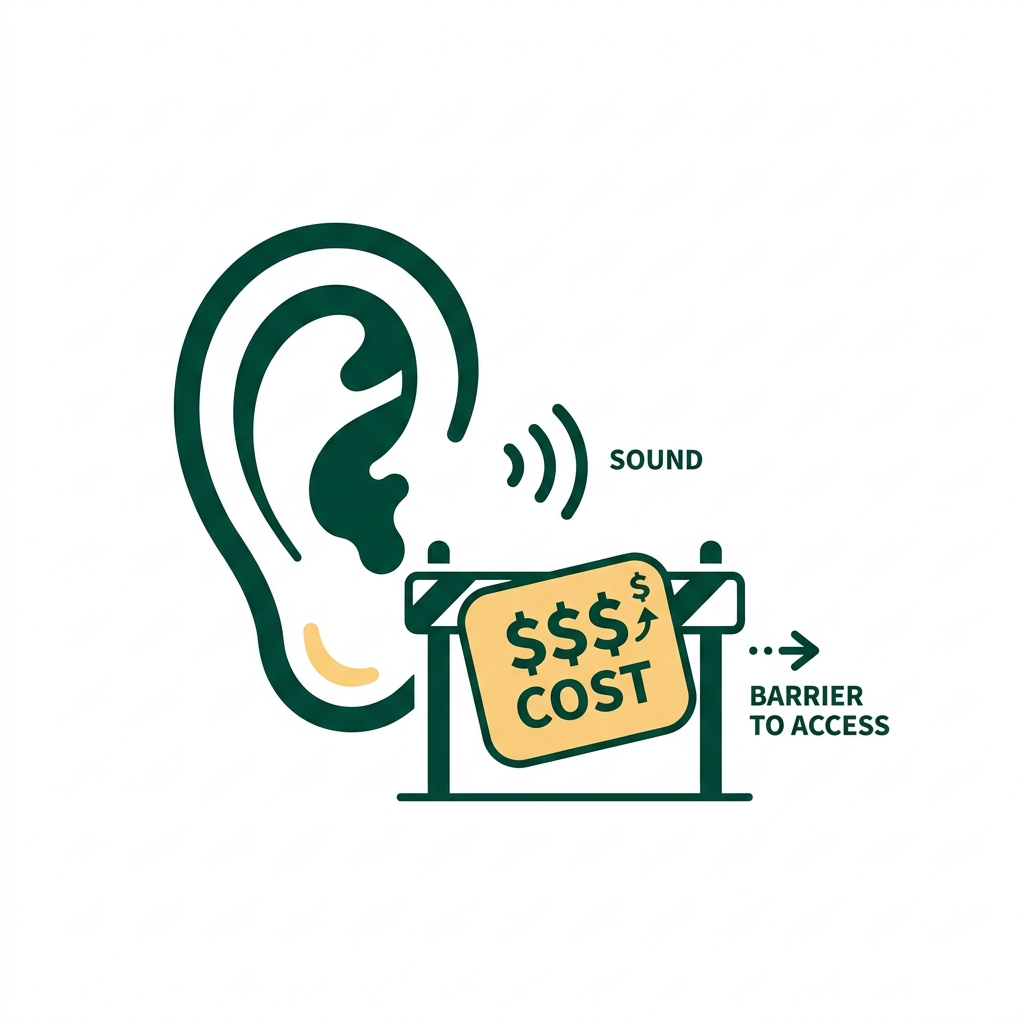
Solutions for deafness such as Cochlear Implants cost more than 1 crore 23 lakh BDT. Additionally, not everyone is eligible for this highly invasive surgery.
80% of deaf individuals belong to low and middle-income families who simply cannot afford these expensive medical procedures.
Deaf people can understand almost everything happening in front of them when they keep all their attention forward. They are often pro-observers and can read lips. The same would happen for left, right, and back if they only focus on a single direction.
Cochlea Cap detects a sound and specifies the direction with four vibrators which are attached to an armband. This allows the user to immediately know where a sound—like a car horn or someone calling them—is coming from, keeping them safe on the streets.
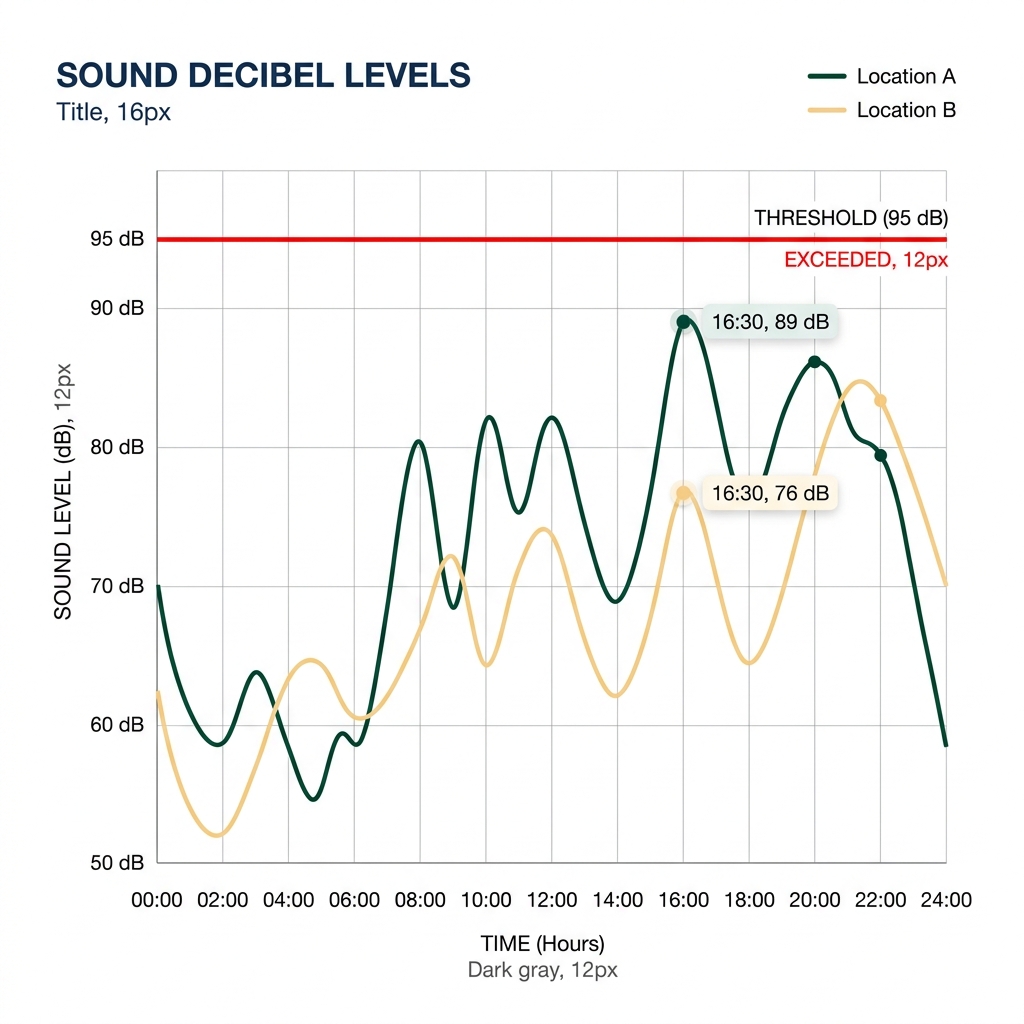
Background Noise: Intensity ranged from 50 dB to 85 dB.
Speed & Intensity: Vehicles with high speed usually have high-intensity horns. Trucks run faster and have more intense horns than local buses.
Smart Threshold (95 dB): By setting the threshold to 95 dB, the device only signals for loud, approaching vehicles, filtering out the constant <85 dB background crowd noise.
Iterated through Cochlea Cap 1.0, 2.0, and 3.0 to perfect the directional feedback.
Secured 10 prizes among 13 participations, including 1 international award.
Documented feasibility and acoustic studies in a published research paper.
A real-time dashboard displaying sound levels, device status, and emergency SOS alerts mapped to GPS coordinates.
Using advanced INMP441 sensors and integrating Machine Learning to specifically classify sounds (e.g. sirens vs horns). Field testing directly with deaf individuals.
Utilizing Lidar Sensors to scan surroundings and present a real-time 3D map on our app, similar to autonomous vehicle vision systems.